Search Website
Meet Our Faculty: Humans of Social Science | Alan MacEachern, Professor, Department of History
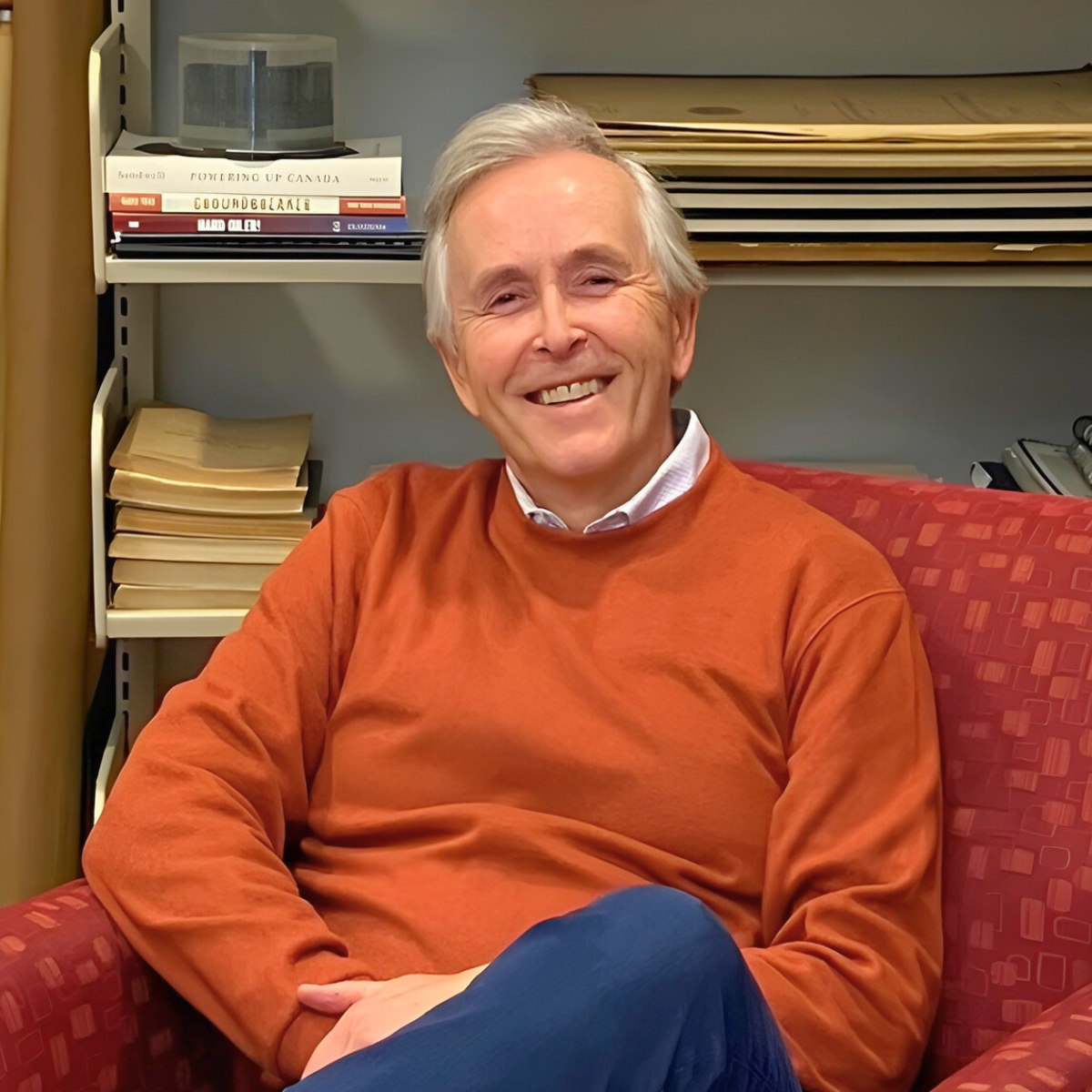 For Professor Alan MacEachern, the path to History began with what he describes as a “same old story” — though, as he tells it, it’s anything but ordinary. It starts with a crush on his Grade 4 teacher. Fast forward four years and he learned that his new Grade 8 History teacher was her husband. Naturally, he assumed they would be mortal enemies.
But the teacher — who was also MacEachern’s basketball coach — turned out to be great. Between classes, practices, and stories from the past, History quietly won him over. What began as a subject he had to take became something he genuinely loved.
Then came the 1980s, when Cold War tensions made it feel entirely plausible that the Americans and Russians might press the wrong button and end it all. Faced with that possibility, MacEachern decided he might as well spend whatever time he had doing something he really enjoyed. History seemed like a good choice.
Fortunately, no one dropped the big one. Also fortunately, he discovered that History was important as well as enjoyable. The past does not predict the future, but it is the only dataset of human experience we have. Understanding it, he believes, helps us understand where we are now — and where we might be going.
Remembering the Past, Understanding the Present
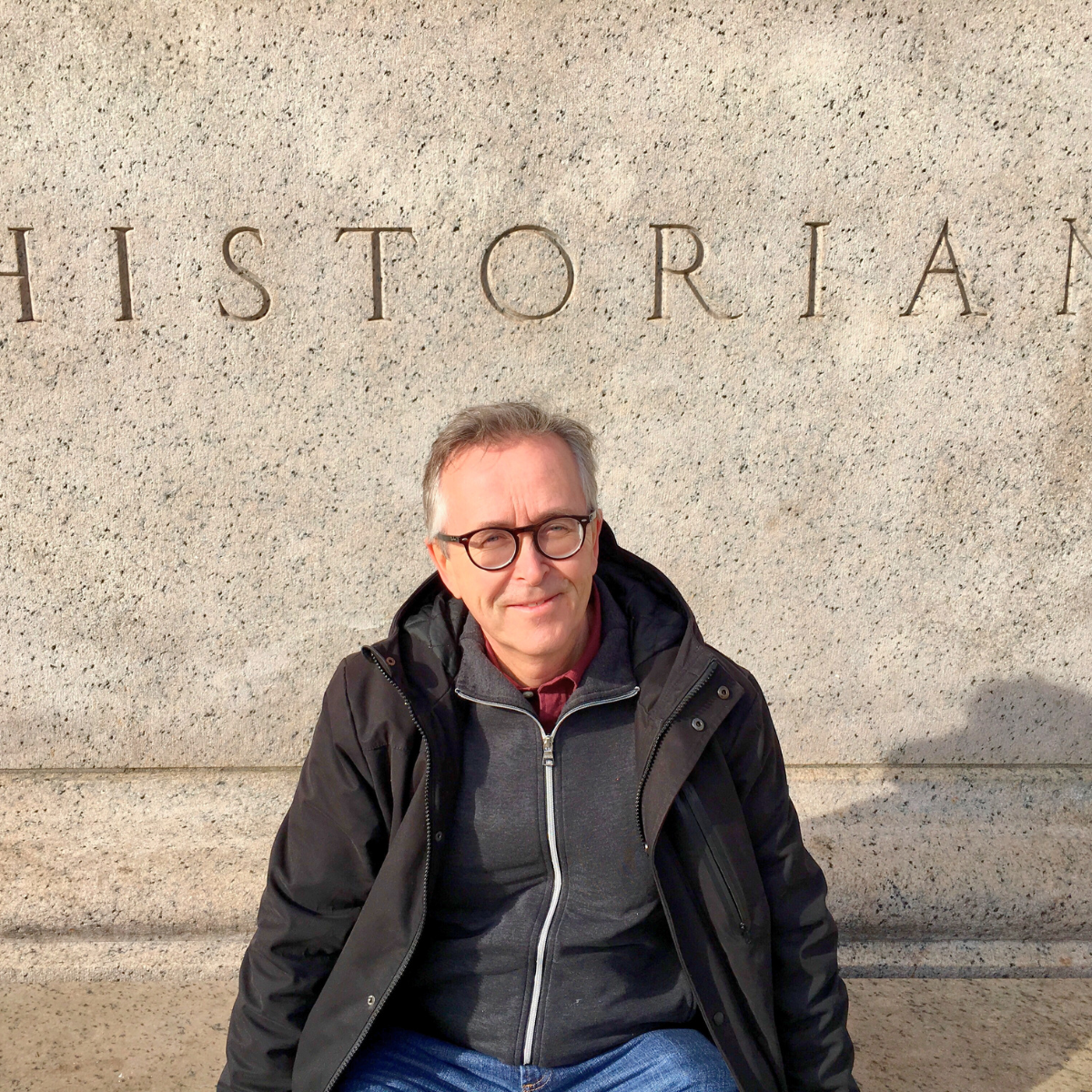 In his teaching, MacEachern hopes students come to see History not as something fixed or distant, but as a vital part of a healthy society.
“A healthy society spends most of its energies trained on the present and the future,” he explains, “but it also devotes some of its energies to remembering and understanding the past.”
For MacEachern, the historian’s role is simple and profound: to tell — or remind — people today about the lives of others in the past. Doing so honours an obligation to ensure that those who came before us are not forgotten. At the same time, it carries a quiet promise — and a warning — that people today will not be forgotten either.
Why People Matter
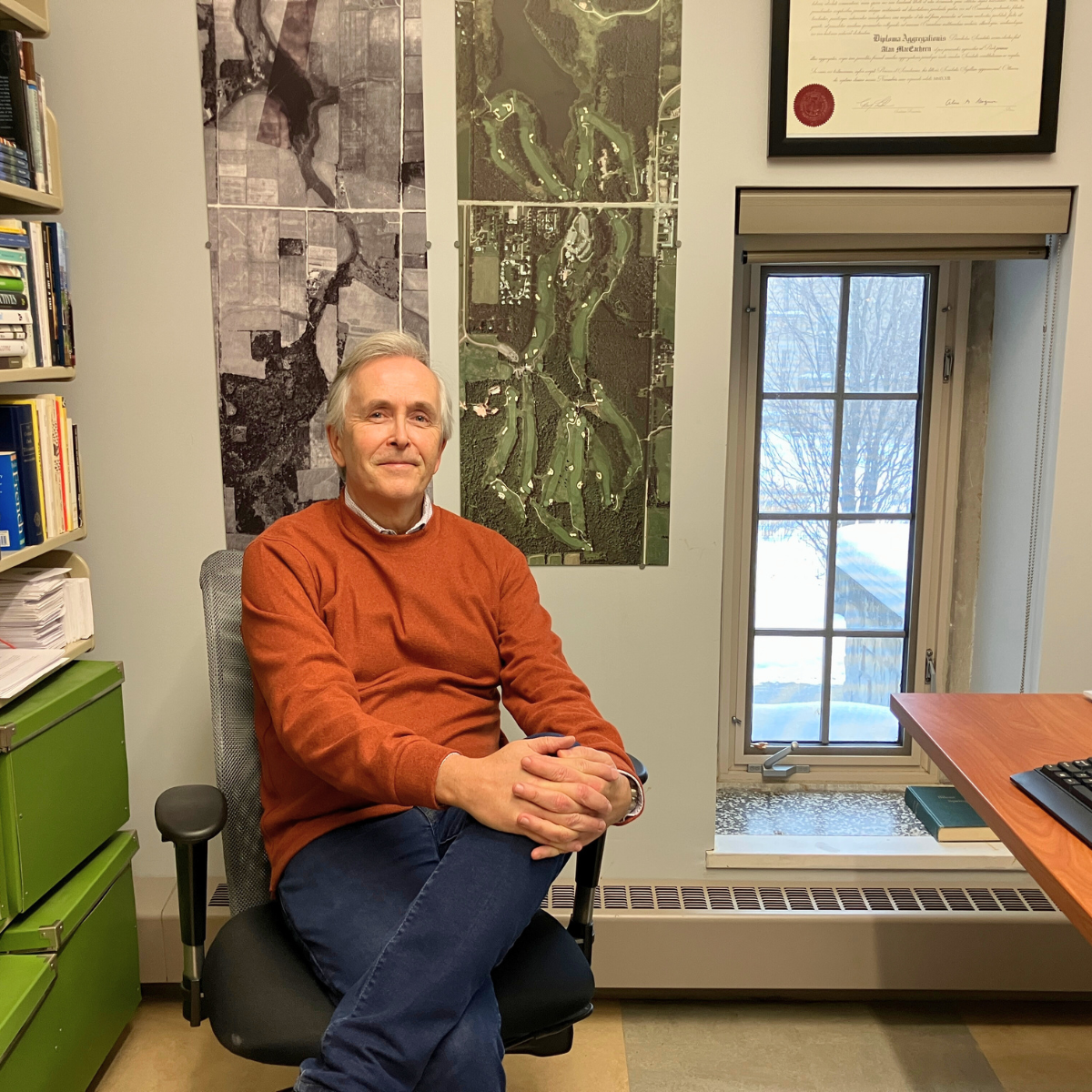 Asked what makes people the most interesting subject of study, MacEachern answers with characteristic humour. People, he says, are only the most interesting subject of study to other people. His cats, he suspects, find themselves far more compelling than they find him — and they may be right.
What truly fascinates him, though, is studying people of the past. History constantly reveals both how strange earlier societies were — in how they lived, thought, and acted — and how deeply familiar they remain.
“The best thing about studying History,” he reflects, “is that you’re struck by both the alien nature of the past and the degree to which it demonstrates our shared humanity.”
Challenging a Myth About History
One misconception MacEachern is eager to dispel is the idea that History must take only one form.
That it arrives, fully formed, in long, solemn, humourless chunks — guaranteed to be serious and unchanging.
Some of the courses he enjoys teaching most, including Graphic History! and History at the Movies, do exactly the opposite. They show that History can explore countless topics and take many forms, often in creative and unexpected ways.
Ironically, MacEachern notes, it is these courses that often bring students closer to the heart of what defines History — not just its conventions, but its purpose.
Moments That Stay With You
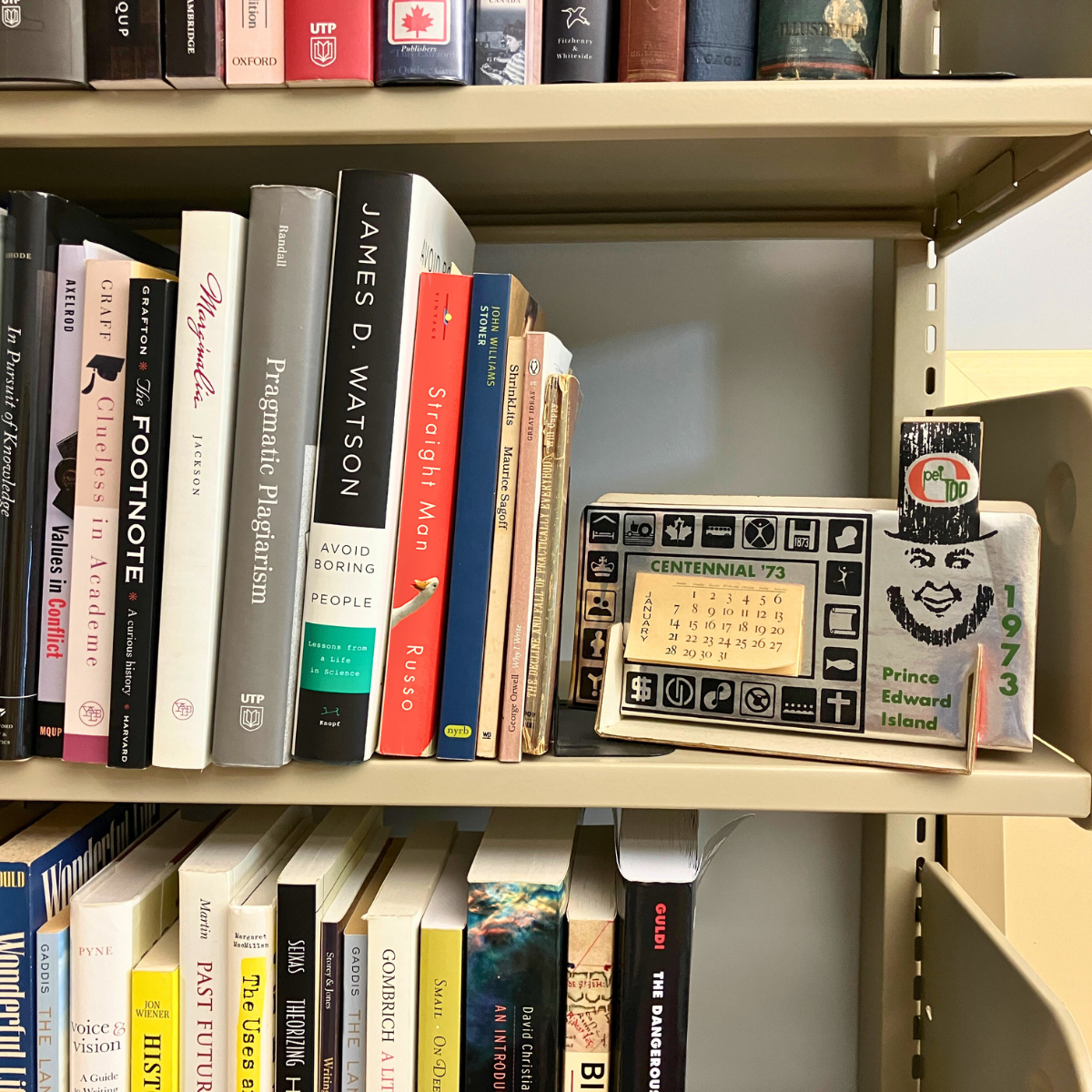 After more than 25 years of teaching at Western, MacEachern finds it difficult to single out just one moment with a student that stayed with him.
What lingers instead are the countless, everyday demonstrations of students’ commitment to learning: working quietly in the library, staying after class to ask a follow-up question, redrafting a thesis again and again in pursuit of clarity and improvement.
“Students are so impressive,” he says. “It’s a gift to spend my days with them — and to try to keep up.”
The Human Side of History
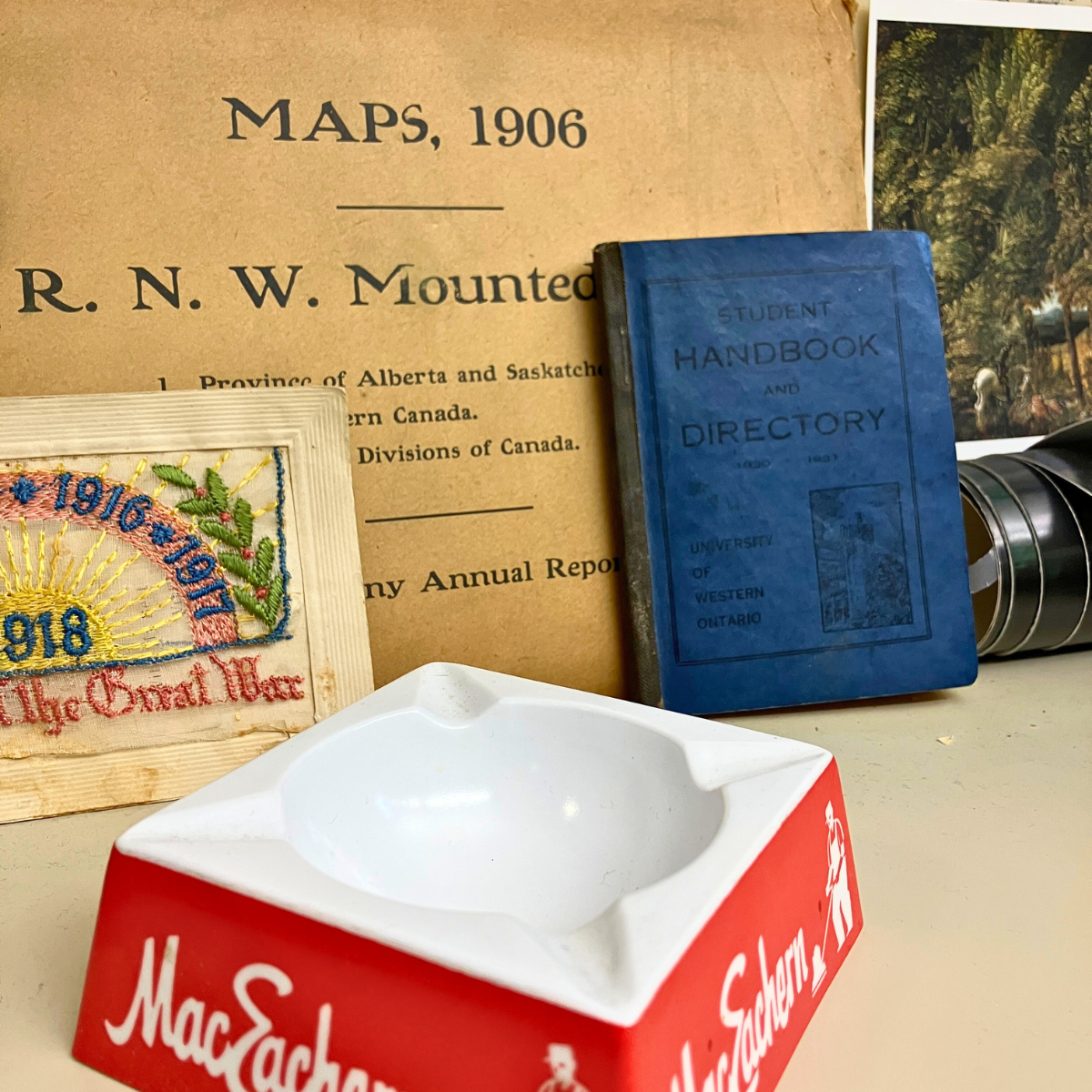 When it comes to fun facts, MacEachern insists there are none — or at least none that would surprise. He runs. He reads a lot. He has watched far too much television and too many movies. He can juggle, though he’s out of practice. He’s a Swiftie, also out of practice.
A single book that changed how he sees the world? That question, he admits, is impossible. His list stretches across genres and decades, from Blood Meridian and My Brilliant Friend to Pale Fire and The Stone Diaries. And, he adds, that barely scratches the surface — and doesn’t even get to History.
When he needs a lift, Bob Dylan’s “You’re Going to Make Me Lonesome When You Go” does the job. “Play it at my funeral,” he adds, without missing a beat.
Social Science, in One Word
When asked to describe what Social Science means to him in a single word, MacEachern chooses: Pursuit.
As in the pursuit of knowledge — which is his own pursuit.
If you want to share your own story or know someone who should be featured, please reach out to us!