Search Website
Meet Our Faculty: Humans of Social Science | Lindsay Bell, Associate Professor, Anthropology
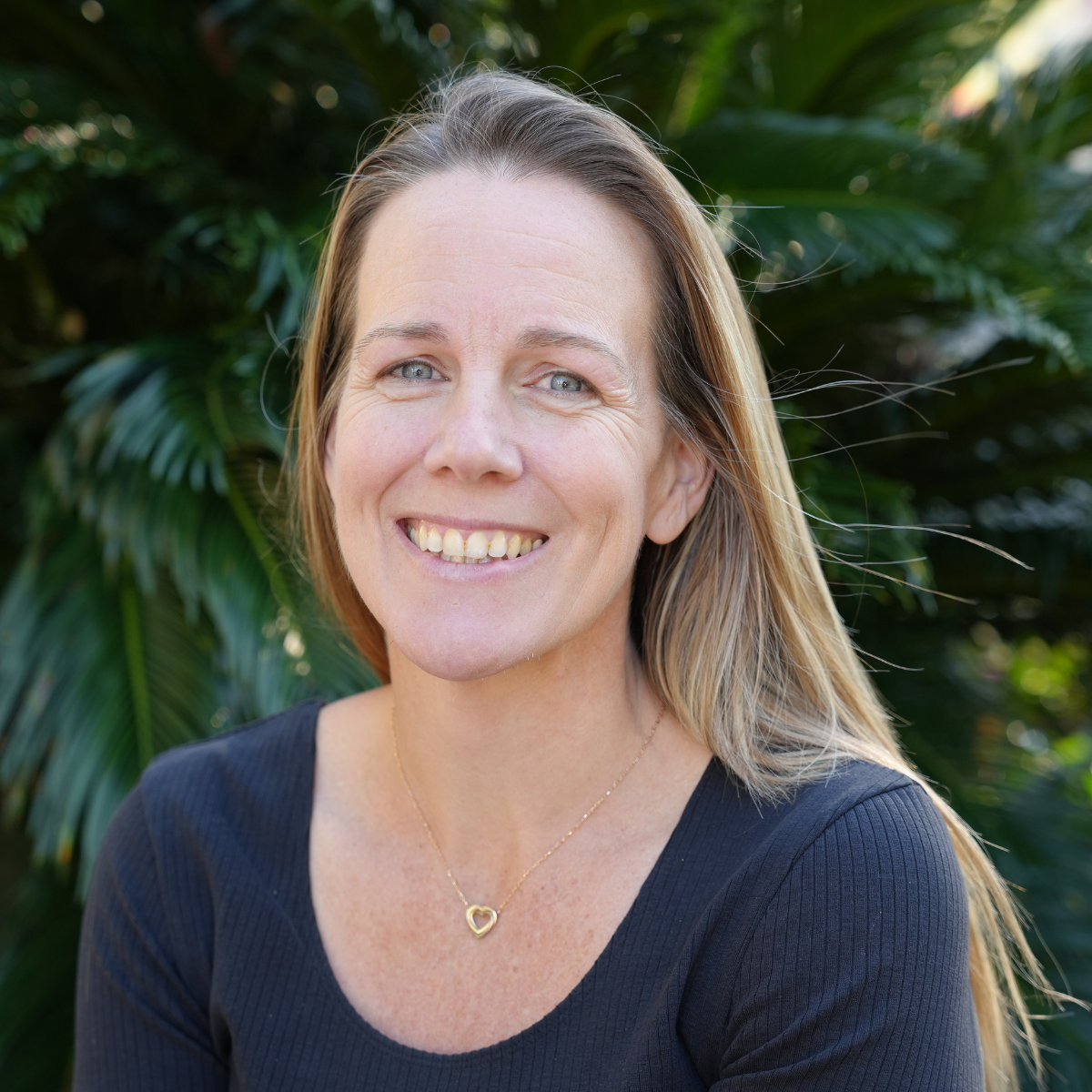
Some career paths follow a carefully planned route. Others begin with a question that leads to another question, and another after that. For Associate Professor Lindsay Bell, it was a desire to better understand people, education, and culture that transformed an early career in teaching into a lifelong journey of learning through anthropology.
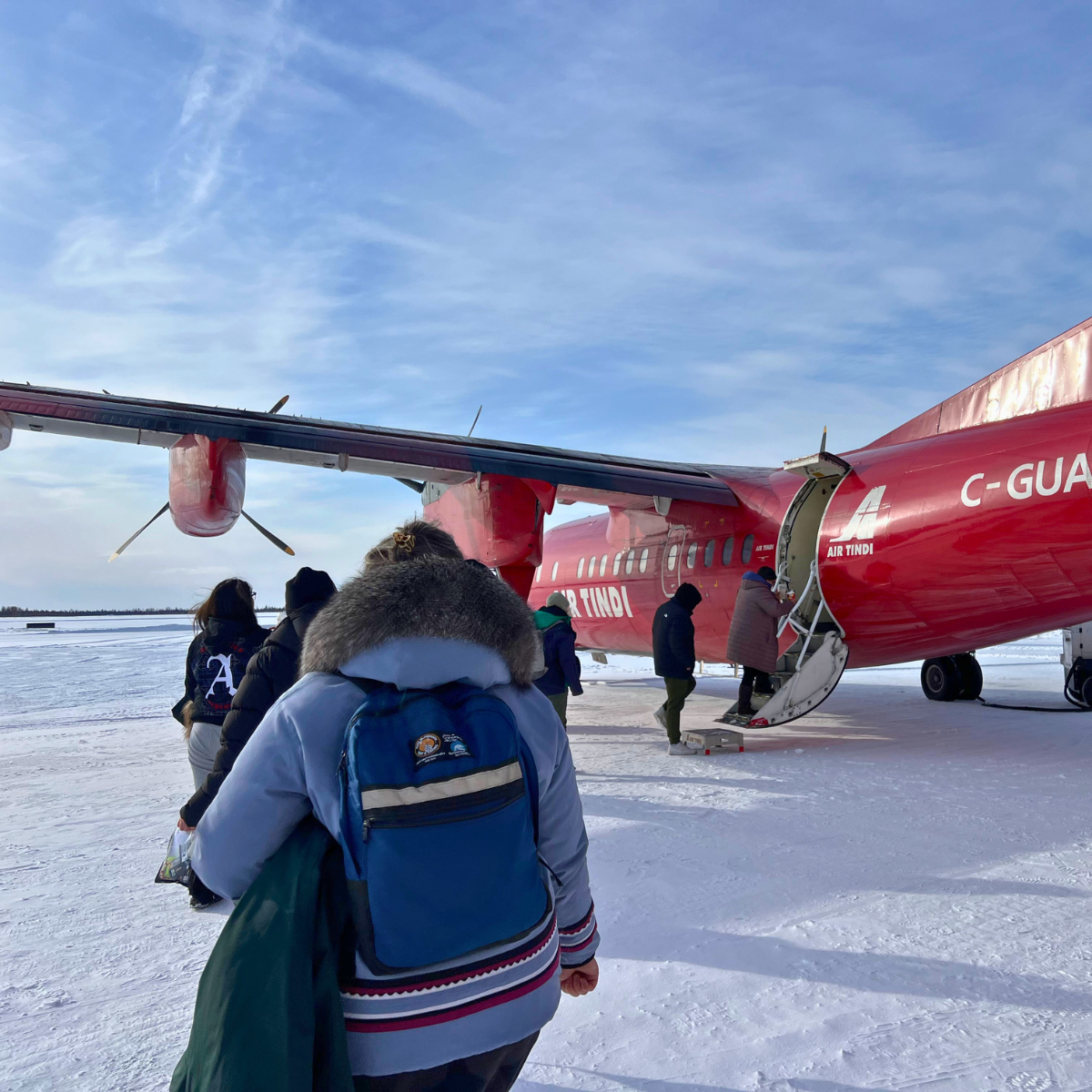 Bell began her career as an elementary school teacher in a small Indigenous community in the Arctic. It was there that she realized the relationships between education, colonialism, and well-being were far more complex than she had ever imagined.
"I knew the links between education, colonialism and wellbeing were far more complicated than I had been taught," Bell reflects.
She left the classroom intending to pursue a master's degree in Northern Languages, Culture and Education before returning to teaching. Instead, two transformative years at the University of Alaska Fairbanks left her with even more questions than answers.
"I pursued a PhD in education and anthropology and have not stopped learning since."
Learning to Slow Down
For Bell, anthropology offers something increasingly valuable in today's fast-paced world: the opportunity to slow down.
She hopes students leave her classes with an appreciation for careful observation, thoughtful listening, and the importance of setting aside assumptions.
"I see anthropology as a discipline that teaches students to slow down, pay close attention to details, and listen without layering on assumptions and judgements," she explains. "My hope is that students learn the power of observation and human interaction."
Rather than rushing to conclusions, Bell encourages students to embrace curiosity and discover meaning by paying closer attention to the people and cultures around them.

Why People Matter
What fascinates Bell most about studying people is the balance between what connects us and what makes us unique.
"They are in some ways so very similar, and yet so very different," she says. "I love to think about what is universal in humans and what is particular."
It's this combination of shared humanity and cultural diversity that continues to inspire her teaching and research.
Challenging a Common Myth
One misconception Bell would love to change is the idea that anthropology is only concerned with the distant past.
"It is only about dead people!" she laughs. "Culture is everywhere and is always changing."
Anthropology, she explains, helps us understand contemporary communities, relationships, traditions, and the ways people continually shape—and reshape—the world around them.
Moments That Stay With You
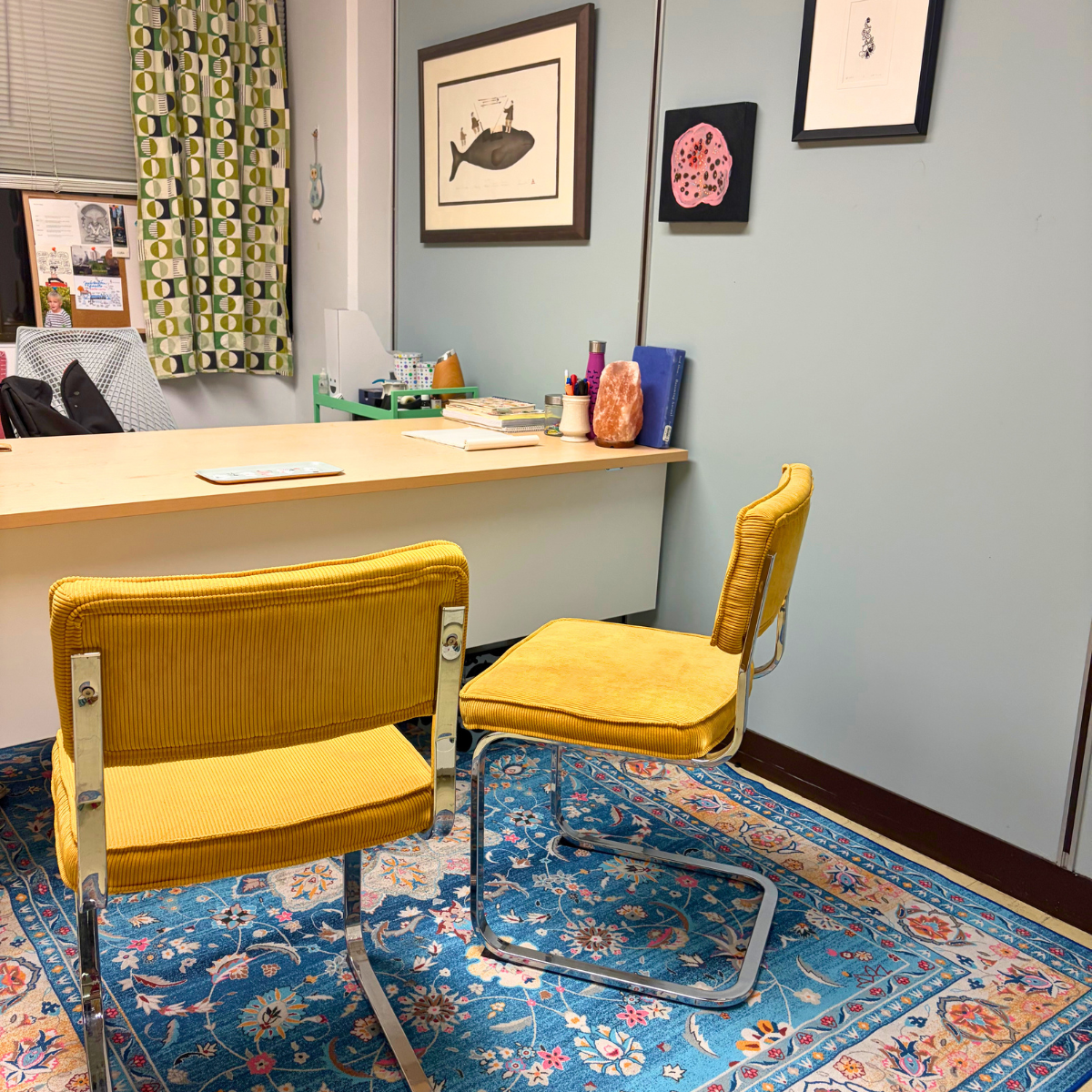 Some of Bell's favourite teaching memories happen outside a traditional classroom.
Students who have taken her courses know about her "secret classroom" tucked away in the Social Science Building—a special space where they gather after completing observational fieldwork.
"It's where we start thinking about how we move from observation to analysis," Bell explains.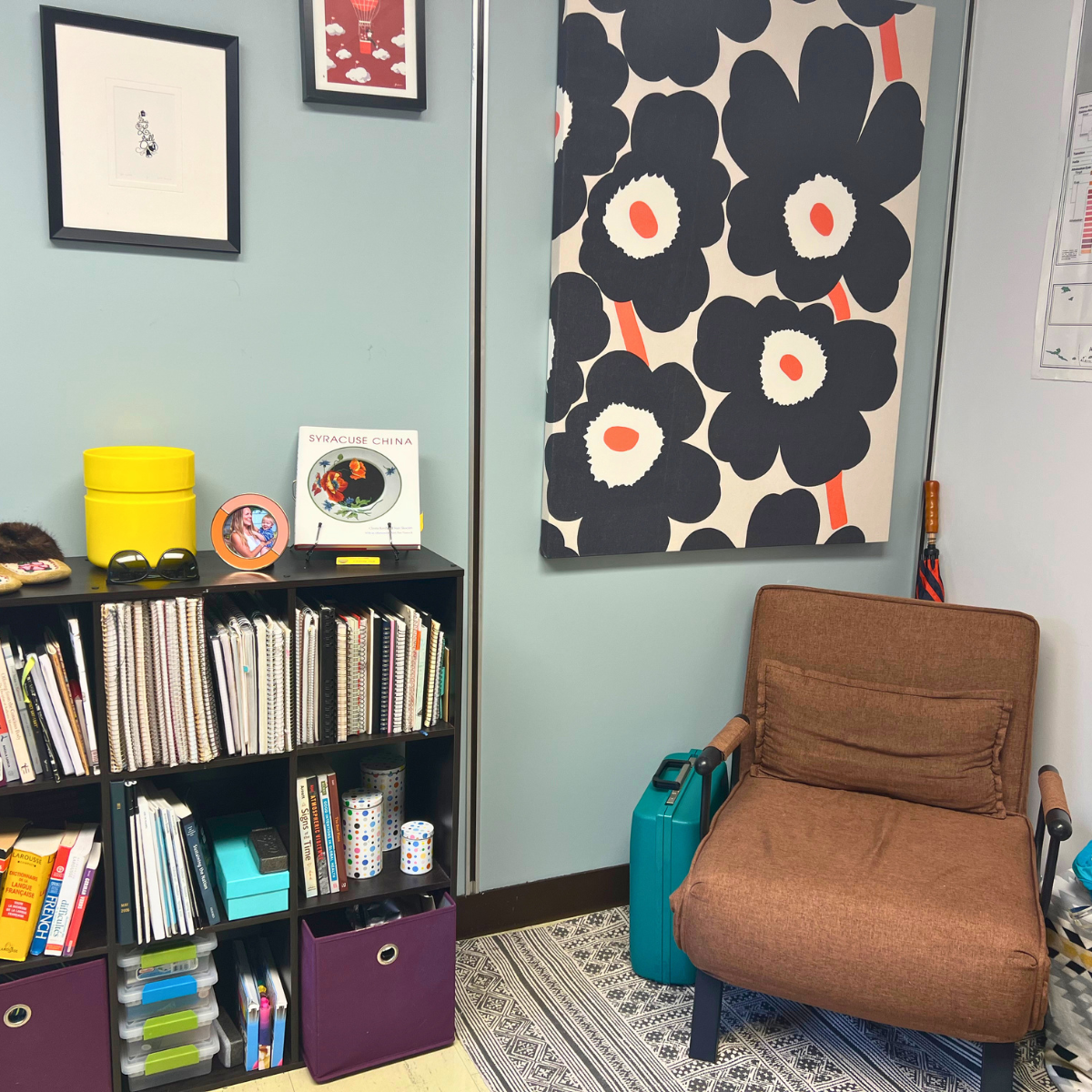
She treasures watching students collaborate, ask questions, and eventually experience the moment when everything begins to click.
"I have very fond memories of students talking with each other and working with me until they find their 'AHA!' moment where the seeds of a good paper have taken root."
For Bell, these moments of discovery remind her why teaching is such a rewarding part of academic life.
The Human Side of Anthropology
Many students are surprised to learn that Bell lives in North Florida and commutes to Western—a unique routine that reflects her dedication to both her work and her students.
A book that has had a lasting impact on her is Outline by Rachel Cusk, while one song that always brings a smile to her face is Wham!'s Last Christmas—no matter the season.
Social Science, in One Word
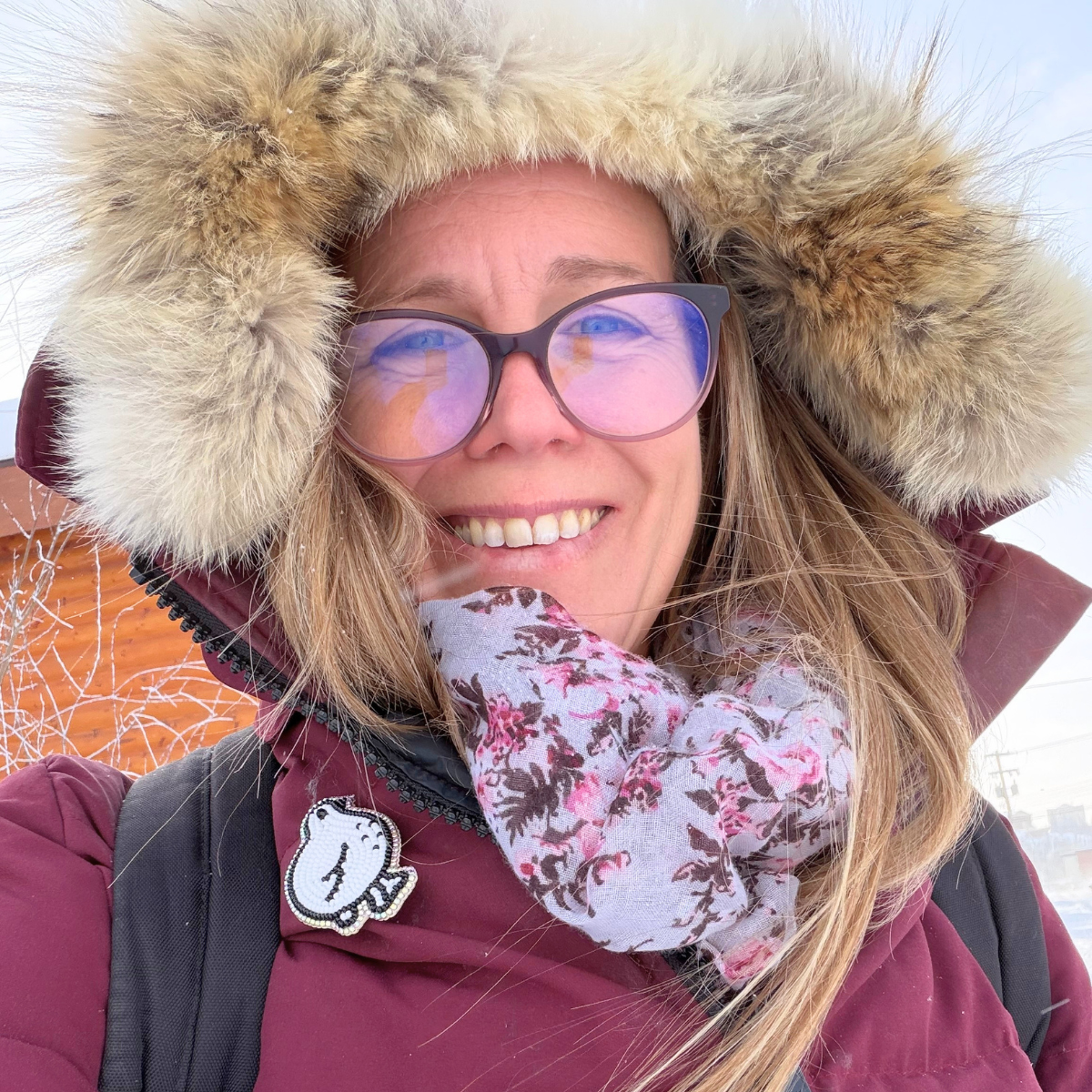 When asked to describe Social Science in a single word, Bell's answer is simple:
Human.
It's a fitting reflection of both anthropology and Bell's own approach to teaching—one rooted in curiosity, empathy, and a genuine desire to understand the richness of human experience.
If you want to share your own story or know someone who should be featured, please reach out to us!