Search Website
Meet Our Students: Celebrating Success Stories | Sophia Sanderson
January 8, 2027
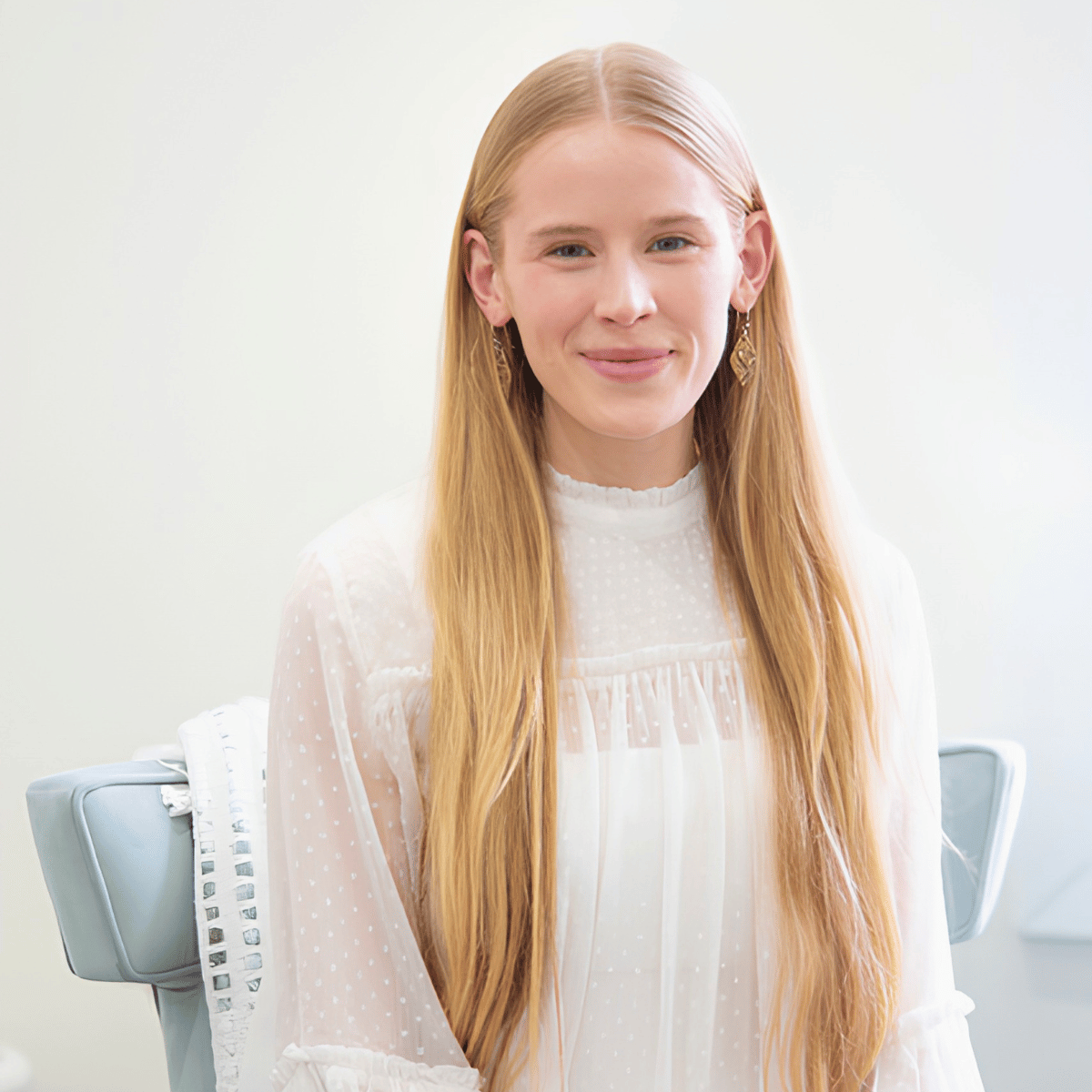 For Sophia Sanderson, discovering the right academic path meant discovering a deeper sense of purpose. What began as a business degree at Brescia University College eventually led her to Psychology in Western University's Faculty of Social Science, where an interest in human behaviour grew into a passion for understanding the complexities of the human mind, personal growth and the ways people experience the world.
Sanderson's decision to change programs came from exploring interests that extended beyond her original academic plans. As she learned more about psychology and its potential to support healing and growth in others, she began to recognize a stronger connection with the discipline. The difference was immediate. "I switched my program promptly and saw how much more fueled with passion I was in my studies. I felt like I could do this forever," she reflects.
That enthusiasm carried into the classroom, where certain courses challenged her to look beyond the surface of everyday experiences and question how people understand the world around them. Among the most influential was The Psychology of Thinking, a course that explored the relationship between perception, prediction and human cognition.
For Sanderson, the material was fascinating precisely because it connected academic theory with everyday life. Learning that people do not simply experience reality as it is, but interpret it through their own perceptions and expectations, sparked questions that continue to interest her. How do people filter information? What cognitive errors influence their decisions? And how might greater awareness of these patterns help individuals see their experiences more clearly?
"That was profound!" she says, describing the course's exploration of how inner realities shape the way people experience the world around them.
She also developed a particular appreciation for The History of Psychology, which introduced her to the origins and evolution of the discipline. Understanding how the field emerged, and the thinkers who helped shape it, added another dimension to her studies. Together, these courses strengthened her curiosity about the human experience and the many questions that continue to drive psychological research.
Beyond the classroom, Sanderson found opportunities to explore those questions through hands-on research. She became the research coordinator for the EASED Couples Study, a longitudinal project with Dr. Dozois's Mood Lab examining how partners support one another through depression. The experience gave her an opportunity to contribute to research exploring the connections between mental health, relationships and interpersonal support.
She also completed an undergraduate thesis investigating how desired solitude and emotional attentiveness, clarity and intensity influence individuals' sense of authenticity. Through this work, Sanderson developed a deeper appreciation for the research process and the importance of understanding human experiences from multiple perspectives.
Completing an undergraduate thesis was particularly meaningful in preparing her for the possibility of graduate studies. Conducting independent research strengthened her ability to evaluate academic literature, interpret statistical findings and bring together existing research into a coherent narrative.
"Conducting your own research and all that comes with it has illuminated the world of science for me," she explains.
The experience also gave her confidence beyond the research itself. From discussing the details of individual studies to recognizing how data can generate answers—and often lead to even more questions—Sanderson discovered how research contributes to a much broader understanding of the world.
For students considering graduate school, she emphasizes the importance of getting involved early. Whether through volunteer opportunities in community organizations or research positions in university labs, gaining experience can help students better understand their interests while building a foundation for future academic opportunities.
Her advice is practical: explore the admission expectations of graduate programs that interest you, even if you are still deciding whether further education is the right direction, and do not hesitate to ask professors for guidance. Their experience and knowledge can be invaluable when navigating the next steps.
That emphasis on connection extends beyond research. Throughout her undergraduate experience, Sanderson discovered that building relationships with professors could transform the way she approached her education. Asking questions after class, attending office hours and working directly with faculty through research projects allowed her to engage with psychology in a more personal and meaningful way.
"I cannot overstate how much I have benefited from conversing with faculty over the years, both as a student and a human," she says.
For Sanderson, these conversations opened doors to new information, perspectives and opportunities. They also changed the nature of learning itself. Rather than seeing education as something that happens solely through lectures, she came to appreciate the value of dialogue, curiosity and shared exploration.
"Your education becomes a conversation rather than just a lecture, and dialogue usually leads to much more richness and depth."
As a graduate of the BA Honours Specialization in Psychology, Sanderson's journey reflects the value of remaining curious, embracing unexpected academic turns and seeking opportunities to learn beyond the classroom. Her experience demonstrates how undergraduate research, meaningful faculty relationships and a willingness to ask questions can help students develop both the confidence and the skills to pursue what comes next.
Her story is also a reminder that sometimes finding the right path begins with giving yourself permission to explore a different one.
Stay tuned for more inspiring stories in our Meet Our Students: Celebrating Success Stories series, and follow us on social media to discover how Western Social Science students are turning their curiosity, experiences and ambitions into meaningful journeys.